BMW i3 50 xDrive uses sixth-generation BMW eDrive technology with an electric motor at each axle. Together, the motors produce 463 hp and 476 lb-ft of torque through BMW xDrive all-wheel drive.
The two motors use different technologies. An electrically excited synchronous motor drives the rear axle, while an asynchronous motor provides additional drive power at the front axle. This combination allows the vehicle to manage power delivery between the axles according to driving requirements.
The high-voltage battery uses an 800-volt architecture that supports DC fast charging at up to 400 kW. BMW also projects an estimated range of up to 440 miles based on preliminary testing using EPA test-procedure standards. Final EPA-certified range may differ, and actual driving range depends on vehicle configuration and operating conditions.
For drivers in Glendale and the Milwaukee area, this combination provides electric all-wheel-drive performance for daily driving alongside charging and range capabilities designed to support longer journeys.
Each axle has its own electric motor, allowing BMW i3 50 xDrive to distribute drive power through its xDrive all-wheel-drive system.
At the rear axle, an electrically excited synchronous motor provides propulsion. At the front axle, an asynchronous motor contributes additional drive power when required. The two motor technologies are designed to work together to balance performance and energy efficiency.
BMW Dynamic Performance Control works with the BMW Heart of Joy high-performance computer to coordinate drive power, braking, energy recuperation, and selected steering functions. The system processes vehicle inputs and adjusts driving-dynamics functions to support consistent responses during acceleration, braking, and cornering.
Heart of Joy is one of four high-performance computers in the Neue Klasse electronics architecture, not a single processor containing four separate high-speed processing units. The other computers manage functions including automated driving and parking, infotainment, and vehicle comfort and access systems.
BMW xDrive all-wheel drive is standard on the i3 50 xDrive launch model. Power distribution between the front and rear axles is managed electronically according to driving conditions.
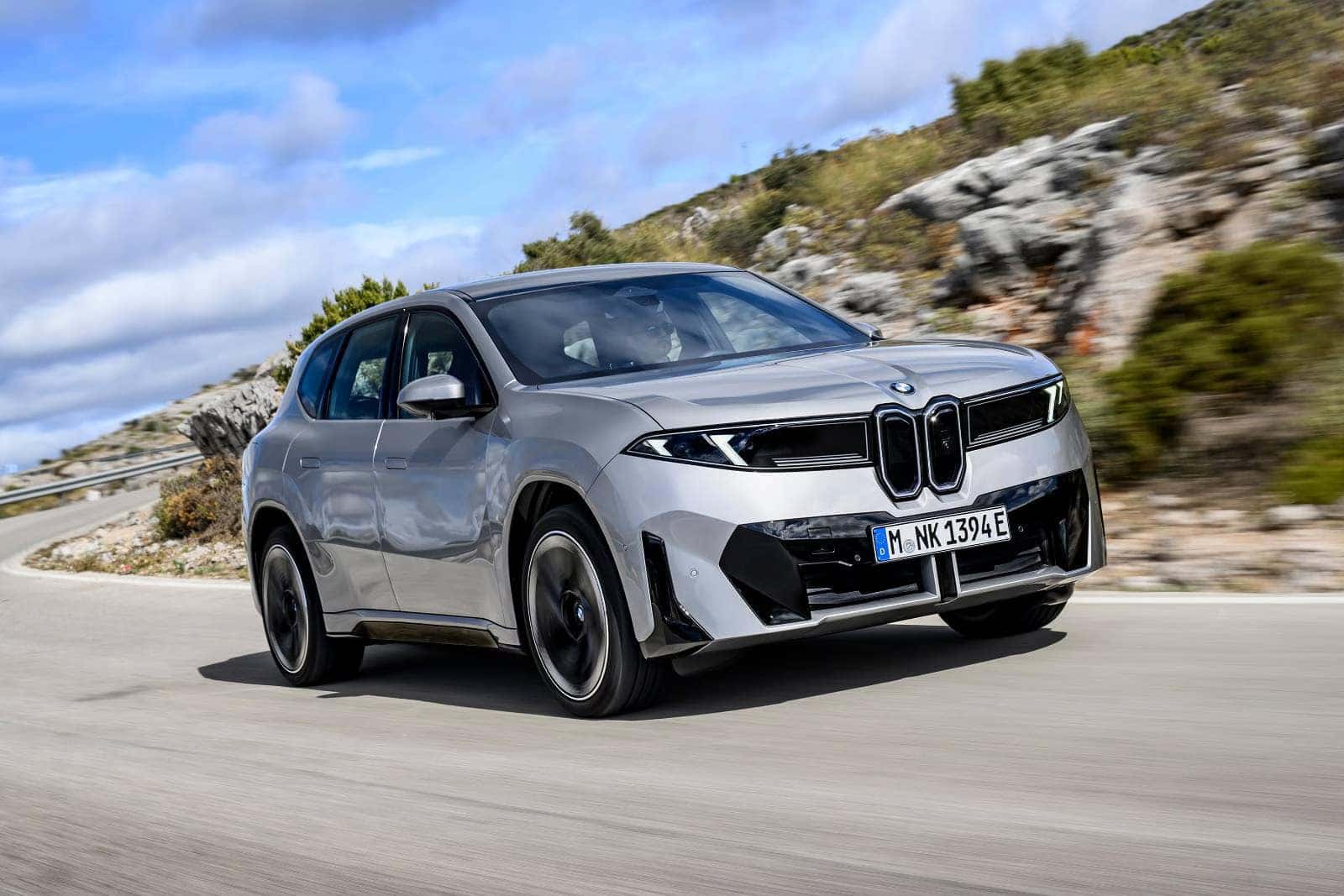
The 800-volt battery architecture is a separate but complementary part of the electric drivetrain. It supports the vehicle’s high-voltage electrical system and enables DC charging at up to 400 kW when a compatible charging station and suitable battery conditions allow.
BMW i3 also supports bidirectional charging. With compatible equipment, the high-voltage battery can provide electricity for external devices, certain home-energy applications, and supported vehicle-to-grid programs. These functions depend on the charging equipment, electrical installation, and applicable service availability.
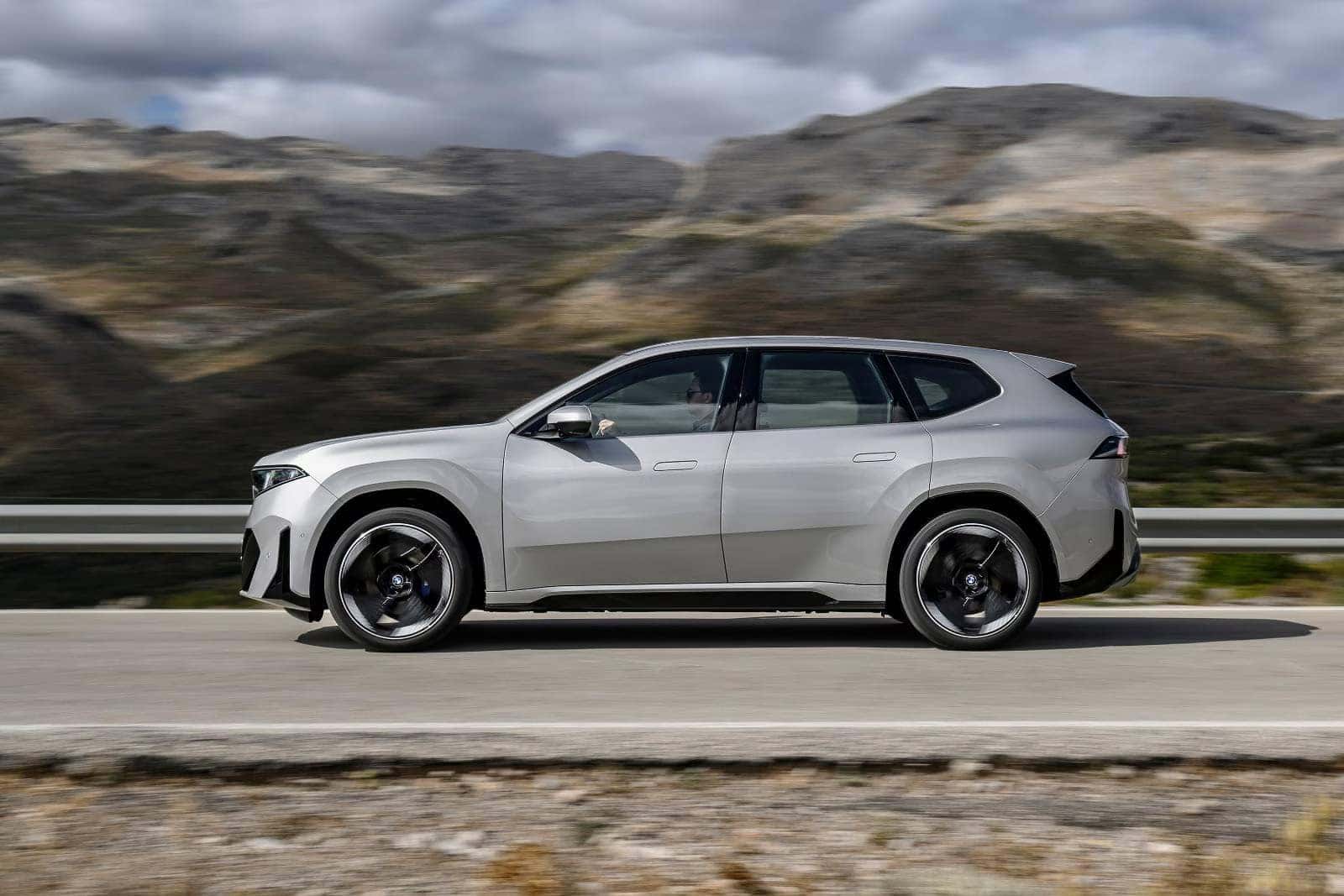
BMW i3 50 xDrive is the announced U.S. launch model. It includes two electric motors, BMW xDrive all-wheel drive, and a combined output of 463 hp and 476 lb-ft of torque.
BMW has indicated that additional BMW i3 model variants will follow at a later date. The launch-model specifications should therefore not be presented as applying to every future BMW i3 configuration.
Available equipment includes Adaptive M suspension, which adjusts damping characteristics to suit driving conditions, and the BMW 3D Head-Up Display, which projects selected driving and navigation information into the driver’s field of vision.
The available BMW Iconic Glow exterior package adds illuminated front-design elements and configurable welcome-light animations. It does not change the dual-motor powertrain specifications.
The combined 463-hp output and electric-motor torque delivery provide responsive acceleration without the gear changes associated with a conventional multi-speed combustion-engine transmission.
BMW xDrive distributes drive power between the front and rear axles as needed, while BMW Dynamic Performance Control coordinates drivetrain, braking, and recuperation functions. These systems are designed to support responsive handling during commuting, highway travel, and other everyday driving situations.
BMW’s preliminary estimate of up to 440 miles provides a reference point for longer-distance travel planning. It is not a guaranteed distance in everyday use. Temperature, speed, route, wheel and tire selection, climate-control use, vehicle load, and driving style can affect actual range.
Supplies electricity to compatible external devices and equipment.
Can supply energy to a compatible home electrical system using the required bidirectional charging equipment and installation.
Can return stored energy to a supported electrical grid under applicable program and infrastructure requirements.
BMW describes these as capabilities of the i3’s charging system. Home backup-power and grid-export operation require more than the vehicle alone; compatible hardware and applicable service availability must also be considered.
BMW i3 includes a standard North American Charging Standard (NACS) charge port, providing access to compatible Tesla Superchargers. A standard Combined Charging System (CCS) adapter also supports use of compatible CCS DC fast-charging stations.
The vehicle’s maximum DC charging rate is 400 kW. Actual charging power depends on the station, battery state of charge, temperature, and other conditions, so the maximum rate will not necessarily be maintained throughout a charging session.
For highway driving, standard Driving Assistant Plus can assist with speed, following distance, and steering under supported conditions. Available Level 2+ functionality offers additional assisted-driving capabilities, but BMW i3 is not an autonomous vehicle. The driver must remain attentive, supervise the system, and be prepared to intervene.
BMW i3 50 xDrive combines dual-motor all-wheel drive, 463 hp, 476 lb-ft of torque, and an 800-volt electrical architecture.
Its peak DC charging capability of up to 400 kW and preliminary estimated range of up to 440 miles are useful specifications for comparing it with other electric sedans. Actual charging times and driving range should be compared using equivalent testing conditions and vehicle configurations.
The BMW Heart of Joy computer and BMW Dynamic Performance Control coordinate several driving-dynamics functions, including drive power, braking, and energy recuperation.
This integration is a key element of the Neue Klasse vehicle architecture. It is designed to support precise responses to driver inputs while managing the interaction between the electric drivetrain and chassis systems.
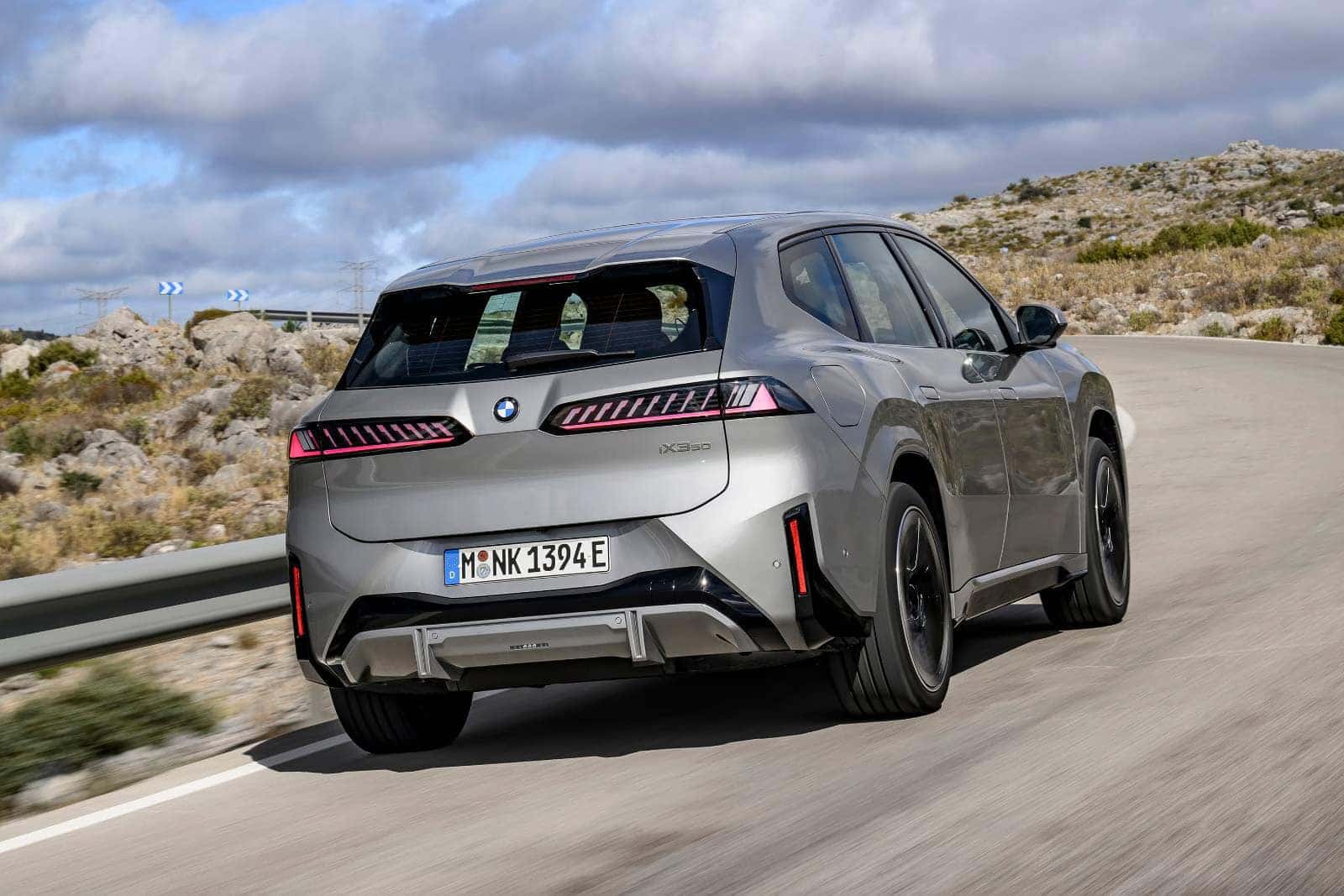
BMW i3 Sedan is scheduled to become available in the United States in 2027, with the BMW i3 50 xDrive serving as the launch model. BMW of Milwaukee North in Glendale can help interested shoppers inquire about the vehicle, review its published specifications, and learn about future ordering and availability.
Contact the dealership to confirm when a particular configuration will be available to order, view, or test-drive. You can also discuss the vehicle’s charging requirements, available equipment, and the differences between BMW i3 and other BMW electric models.
BMW i3 50 xDrive has two electric motors: an electrically excited synchronous motor at the rear axle and an asynchronous motor at the front axle. Their combined output is 463 hp and 476 lb-ft of torque.
BMW i3 50 xDrive produces a combined 463 hp through its dual-motor sixth-generation BMW eDrive system. Both motors work with BMW xDrive all-wheel drive to distribute power between the axles.
BMW projects a range of up to 440 miles for the i3 50 xDrive, based on preliminary BMW AG testing using EPA test-procedure standards. This is not yet a final EPA-certified range rating. Actual range varies with driving conditions, temperature, wheel and tire selection, driving style, and other factors.
Yes. BMW i3 50 xDrive, the announced U.S. launch model, includes standard BMW xDrive all-wheel drive with an electric motor at each axle. BMW has indicated that additional model variants will follow at a later date.
BMW i3 supports DC fast charging at up to 400 kW through its 800-volt electrical architecture. It includes an NACS charge port and a standard CCS adapter for compatible DC fast-charging stations. Actual charging power and time depend on station capability, battery temperature, state of charge, and other conditions.
Bidirectional charging allows the vehicle’s high-voltage battery to supply stored electricity for uses beyond driving. BMW identifies three functions: Vehicle-to-Load, Vehicle-to-Home, and Vehicle-to-Grid. Each requires compatible equipment or infrastructure, and availability of home and grid functions depends on the applicable installation and service arrangements.
BMW states that i3 Sedan will be available in the United States starting in 2027. Contact BMW of Milwaukee North in Glendale to inquire about local ordering, vehicle arrival, and test-drive availability.
BMW Heart of Joy is a high-performance computer that coordinates core driving-dynamics functions, including drive power, braking, energy recuperation, and selected steering functions. It works with BMW Dynamic Performance Control and is one of four high-performance computers in the Neue Klasse electronics architecture. The other computers manage automated driving and parking, infotainment, and comfort-related vehicle functions.